
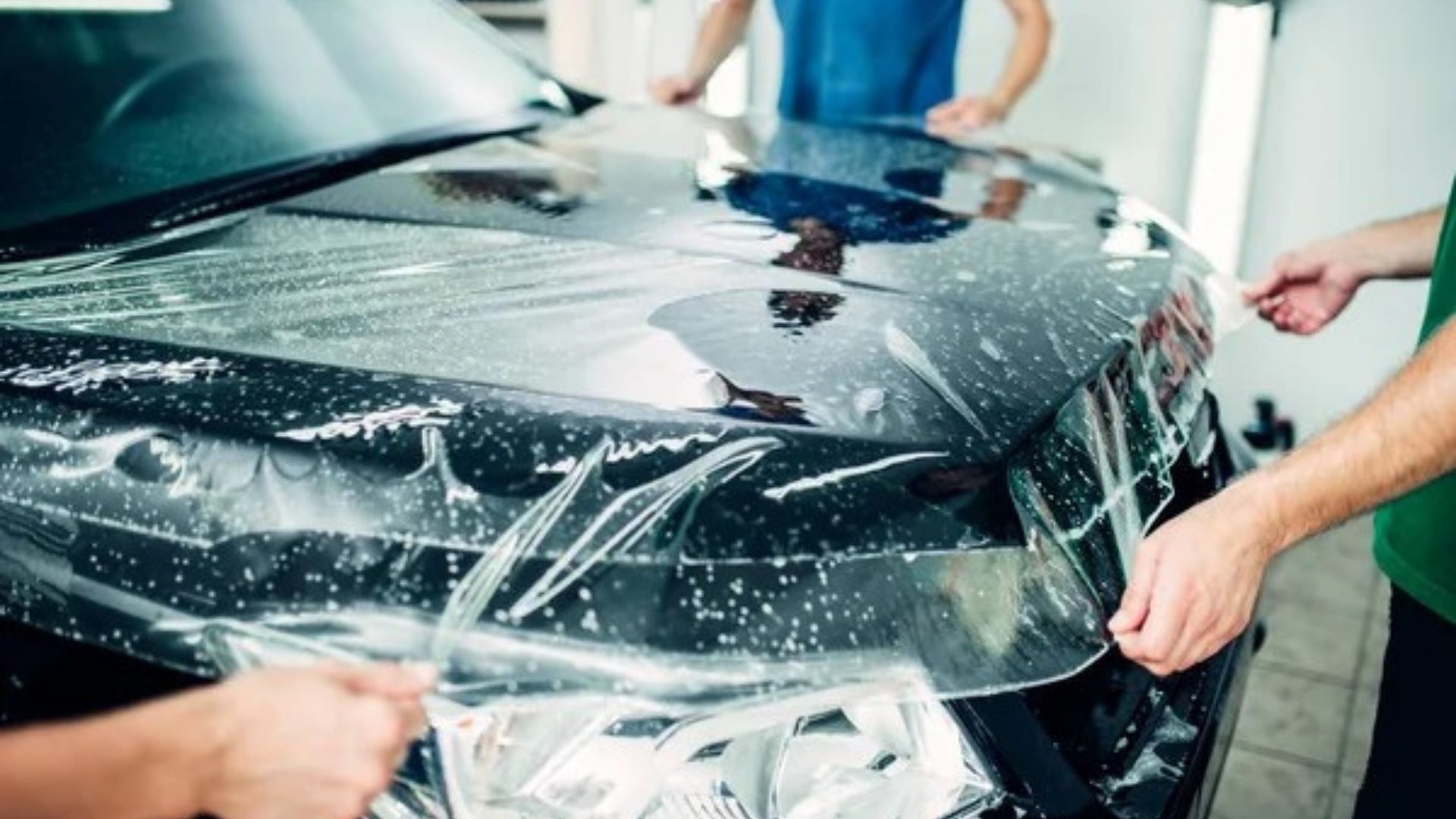
Paint protection film (PPF) is a clear, transparent, self-healing layer of automotive-grade material applied directly to the surface of your vehicle to protect the original paint from scratches, chips, road debris, UV radiation, and everyday wear. If you’re looking for a way to keep your car’s factory finish looking new for years, PPF is one of the best solutions available today. In this guide, we’ll explain what PPF is, how it works, why it matters, and how to choose the right product and installer for your needs.
About Paint Protection Film: What It Actually Is
At its core, paint protection film is a thin, durable, transparent film — usually made from polyurethane — that is applied to the exterior surfaces of a car. Unlike a wrap, which is often used to change the colour or finish of a vehicle, PPF is designed to be virtually invisible. It sits on top of the factory paint like an armour layer, absorbing impact from rocks, gravel, and other debris on the road so your original paint stays untouched underneath.
Many customers ask about paint protection because they’ve noticed chips or minor scratches appearing on their vehicle after just a year or two of regular driving. This is especially common on the front bumper, hood, mirrors, and door edges — the areas that take the most high-impact contact from the road. A quality PPF product prevents this kind of damage before it ever reaches the paint.
How PPF Works: The Technology Behind the Film
Modern PPF films use multiple layers of material, each with a specific job:
- Top coat: a hydrophobic, UV-resistant layer that helps repel water, dirt, and chemicals while also protecting against fading caused by sun exposure.
- Self-healing layer: this is one of the most important features of premium PPF. When exposed to heat — whether from the sun or warm water — minor scratches and swirl marks in the film actually disappear. This self-healing technology means that small surface damage doesn’t become a long-term problem.
- Adhesive layer: a high-quality adhesive bonds the film to the vehicle’s surface without damaging the original paint, and it can be removed later without leaving residue.
Because of this layered design, PPF doesn’t just sit on the car — it actively works to keep your paint looking as close to factory condition as possible, year after year.
Why Paint Protection Film Matters for Your Vehicle
There are several reasons drivers choose to install PPF, and most of them come down to protecting long-term value and appearance:
1. Protection Against Scratches and Chips
The number one reason people buy PPF is protection from rocks, gravel, and road debris. A single stone kicked up on the highway can chip paint and start a rust problem. PPF absorbs that impact so the damage never reaches the surface underneath.
2. UV and Fading Resistance
Constant sun exposure breaks down paint over time, causing fading and a dull finish. PPF blocks a large percentage of UV radiation, helping your vehicle’s colour stay vibrant for longer.
3. Resistance to Chemicals and Environmental Damage
Bird droppings, tree sap, road salt, and other chemicals can etch into paint if left too long. A protective film creates a barrier that makes cleaning easier and reduces the risk of permanent staining.
4. Improved Gloss and Finish
Many PPF products are designed to enhance gloss rather than dull it, so your car can actually look better than it did with bare paint — while some newer options also come in a matte finish for a different look altogether.
5. Maintains Resale Value
Keeping the original paint in good condition, free from chips and scratches, helps maintain the resale value of your vehicle. Buyers are far more likely to pay top price for a car that still has its factory finish intact.
Coverage Options: Full vs Partial PPF
When deciding how much of your vehicle to cover, you generally have a few choices:
- Full front coverage: hood, front bumper, fenders, mirrors, and headlights — the areas most exposed to road debris.
- Full coverage / full body wrap: the entire vehicle is covered in film, offering comprehensive, edge-to-edge protection.
- Partial or custom coverage: door edges, rocker panels, or specific areas around door handles that are prone to wear.
Your installer should help you decide which option fits your driving habits, budget, and how long you plan to keep the vehicle. If you drive frequently on highways or in areas with a lot of loose gravel, full front coverage — or even full coverage — is usually the better choice.
The Installation Process
Professional installation makes a significant difference in how the film performs and how long it lasts. Here’s what a typical PPF installation involves:
- Surface preparation: the vehicle is thoroughly cleaned and decontaminated so no dust or debris gets trapped under the film.
- Precision cutting: certified installers use computer-cut patterns designed for your specific vehicle model, ensuring a seamless, factory-like fit around curves, mirrors, and door handles.
- Application: the film is applied with specialised tools, heat guns, and squeegees to remove air bubbles and wrap it tightly around edges.
- Curing: the adhesive needs time to fully bond — usually a few days — during which you should avoid washing the vehicle or exposing it to extreme conditions.
Choosing certified installers matters because incorrect installation can cause bubbling, lifting at the edges, or premature failure of the film. A proper install should look nearly invisible while providing full protection.
How to Maintain Your PPF
Keeping your paint protection film looking its best doesn’t require much extra work, but a few habits help it last longer:
- Use pH-neutral soap when washing your vehicle; avoid harsh chemicals that can degrade the top coat.
- Avoid automatic car washes with abrasive brushes when possible; hand washing or touchless washes are safer.
- Address self-healing scratches by parking in the sun or using warm water — heat helps the film’s top layer smooth itself out.
- Have your film inspected periodically, especially around edges and high-impact areas, to catch any lifting early.
Warranty and Product Quality
Not all PPF products are the same. Premium film brands typically offer a multi-year warranty covering yellowing, cracking, and adhesive failure — some warranties last 5 to 10 years, depending on the product line and series. Before you buy, it’s worth asking your installer:
- What brand and series of film do they use?
- What does the warranty actually cover, and for how long?
- Are they certified installers for that specific product line?
A good installer will be transparent about these details and should provide documentation so you know exactly what protection and support you’re getting.
Frequently Asked Questions About Paint Protection Film
Does PPF change the colour of my car? No. High-quality PPF is designed to be transparent, so your original paint colour shows through exactly as it was — though tinted or matte options are also available if you want to change the look.
How long does paint protection film last? Most premium films last between 5 and 10 years with proper care, depending on the product and how the vehicle is used and maintained.
Can PPF be removed? Yes. When installed correctly, PPF can be removed without damaging the original paint underneath, which is one reason it’s such a popular, low-risk protective solution.
Is PPF better than a wrap? They serve different purposes. A wrap is generally used to change colour or finish, while PPF is focused purely on protecting your paint. Some vehicles use both — a colour wrap on top of PPF for protection underneath.
Do I need PPF if I already have ceramic coatings? Ceramic coatings improve gloss and make cleaning easier, but they don’t provide the same level of impact resistance as film. For full protection against chips and scratches, PPF is still the better choice for high-impact areas.
Find the Right PPF Service for Your Vehicle
Whether you’re protecting a new car or want to improve the look and durability of a vehicle you’ve had for years, paint protection film is one of the most effective ways to keep your paint in excellent condition. Explore our range of PPF products, coatings, and wrapping services to find the solution that best fits your needs — our certified installers are here to help with everything from a quote to full installation.

Leave a Comment