
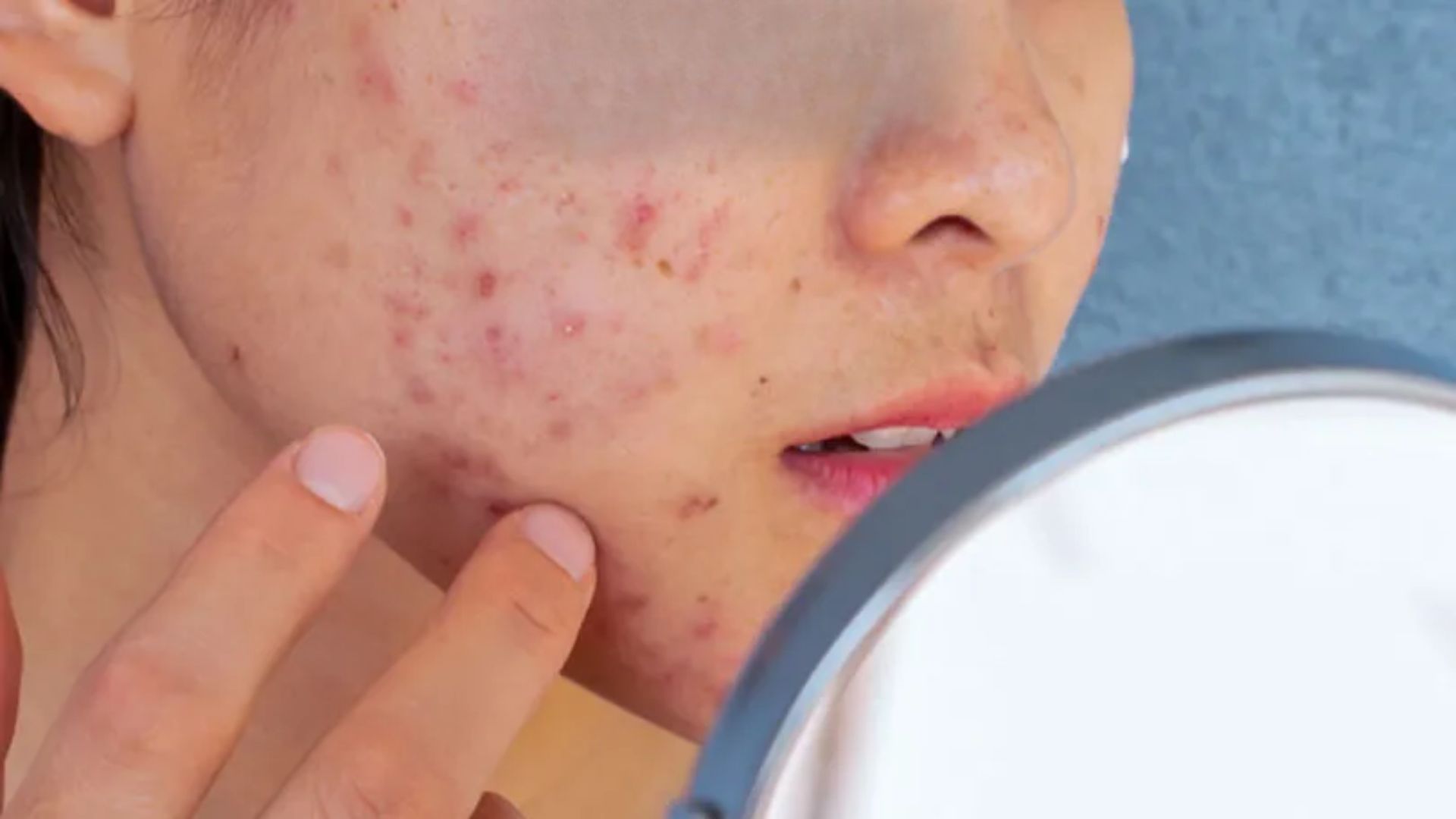
Acne-prone skin is skin that develops breakouts, blackheads, and pimples more easily than other skin types. It happens when pores clog with excess sebum, dead skin cells, and bacteria, which then trigger inflammation. Acne-prone skin can appear on the face, chest, back, and shoulders, and it affects teenagers and adults alike.
People with acne-prone skin often also have oily skin, since overactive sebaceous glands produce more sebum than the pores can handle. However, acne-prone skin is not limited to an oily texture. Combination and even sensitive skin types can be prone to acne, particularly when hormonal changes, stress, or harsh products irritate the skin barrier.
Understanding what causes acne, and which daily habits help, makes it much easier to manage breakouts and avoid long-term marks such as scars and hyperpigmentation.
Signs and Types of Acne-Prone Skin
Skin that is prone to acne usually shows a mix of the following signs:
● Frequent blackheads and whiteheads around the nose, forehead, and chin
● Small red bumps (papules) or pus-filled pustules that reappear in the same areas
● A greasy or shiny texture caused by excess sebum production
● Enlarged, visible pores that clog easily
● Occasional deeper, painful cysts along the jawline
Common Types of Acne Lesions
Not all breakouts look the same, and the type of lesion affects how it should be treated:
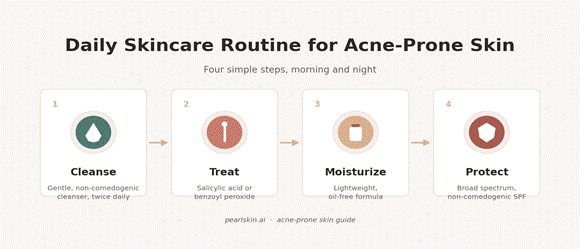
● Blackheads and whiteheads — clogged pores, called comedones, that are open (blackheads) or closed (whiteheads) at the surface
● Papules — small, tender, inflamed bumps without visible pus
● Pustules — inflamed bumps filled with pus
● Nodules and cysts — larger, deeper lesions that are more likely to cause scarring
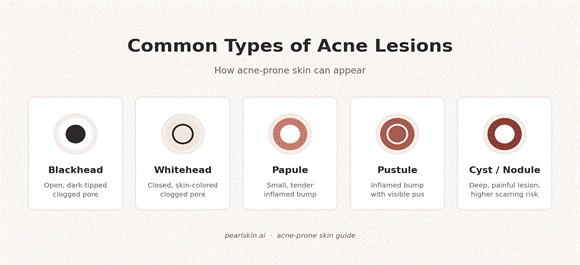
What Causes Acne-Prone Skin?
Acne-prone skin develops because of a combination of internal and external factors. Knowing the causes of acne helps in choosing the right treatment and prevention strategy.
Excess Sebum and Clogged Pores
The sebaceous glands attached to each hair follicle produce sebum to keep skin lubricated. When these glands become overactive, excess sebum mixes with dead skin cells and clogs pores, forming the comedones that are the earliest stage of acne. Stress and hormonal shifts can further increase sebum production, making pores more likely to clog.
Bacteria and Inflammation
Clogged follicles create a low-oxygen environment where acne-causing bacteria multiply. As the immune system responds, the area becomes red and swollen, turning a simple clogged pore into an inflammatory papule or pustule. Keeping hands and phone screens clean can also limit the spread of bacteria to acne-prone areas.
Hormonal Changes
Hormonal changes are one of the most common triggers of acne-prone skin. Androgens increase during puberty, pregnancy, and the menstrual cycle, stimulating the sebaceous glands to produce more sebum. This is why many adults, especially women, continue to experience hormonal acne well past their teenage years.
Genetics and Skin Type
Genetics play a real role: if close family members had acne-prone skin, the likelihood of developing it increases. Genetics can also influence how sensitive the skin barrier is to irritation.
External Triggers
Stress, pollution, humidity, heavy or comedogenic makeup and skincare products, and certain medications can all contribute to breakouts. Touching the face, using dirty pillowcases, and skipping cleansing after sweating are smaller but avoidable triggers.
Building a Skincare Routine for Acne-Prone Skin
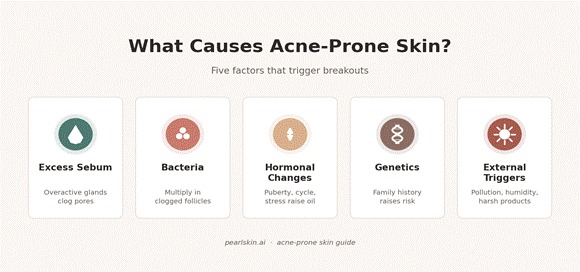
A consistent skincare routine is the foundation of managing acne-prone skin. Choosing gentle products with proven ingredients matters more than piling on every trending item, and most effective skincare routines follow the same simple structure. A simple daily routine for acne generally includes:
1. Cleanse twice daily with a gentle, non-comedogenic cleanser to remove excess oil without stripping the skin barrier.
2. Treat with a targeted acne treatment containing proven active ingredients.
3. Moisturize with a lightweight, oil-free moisturizer, even if the skin feels oily.
4. Protect with a broad spectrum, non-comedogenic sunscreen every morning for reliable sun protection.
Key Ingredients for Acne-Prone Skin
The following ingredients are among the most studied for treating acne-prone skin, and combining a few of these products in a simple routine often works better than switching skincare lines constantly.
| Ingredient | How It Works | Best For |
| Salicylic acid | A chemical exfoliant that penetrates pores and dissolves excess sebum and dead skin cells | Blackheads, whiteheads, oily skin |
| Benzoyl peroxide | Reduces acne-causing bacteria and helps unclog pores | Inflammatory papules and pustules |
| Retinoids | Speed up cell turnover and prevent dead skin cells from clogging follicles | Breakouts, uneven texture, mild scarring |
| Niacinamide | Calms redness and helps regulate sebum production | Sensitive, acne-prone skin |
| Hyaluronic acid | Lightweight hydration that supports the skin barrier | Dehydrated or over-dried skin |
Azelaic acid is another gentle acid worth trying for sensitive, acne-prone skin, alongside glycolic acid for gentle exfoliation. Introduce new products one at a time and give each treatment several weeks to show results, since switching too often can irritate the skin further.
For aesthetic clinics in Dubai, clear treatment education and a strong local online presence help patients make informed decisions before booking. Odyssey Marketing LLC supports UAE healthcare and beauty businesses with Local SEO, content strategy, and lead-generation solutions.
Professional Acne Treatment Options
Over-the-counter products help mild breakouts, but persistent or severe acne often calls for professional care. A dermatologist can build a treatment plan based on the type and severity of lesions, and these treatments may include:
● Prescription-strength topical medications
● Oral antibiotics for inflammatory or widespread acne
● Hormonal therapy, such as certain birth control pills, for hormonal acne
● Chemical peels or light-based therapy to reduce acne and post-inflammatory marks
Combining several treatments, such as a topical medication with periodic in-office treatments, often works better than relying on a single product alone. Choosing the right professional acne treatment early can significantly lower the risk of permanent scarring.
How to Prevent Breakouts and Scarring
Preventing new breakouts and protecting the skin from scars go hand in hand:
● Avoid picking, squeezing, or popping pimples, which increases inflammation and the risk of scarring
● Use non-comedogenic products for skincare and makeup
● Cleanse after sweating and always remove makeup before bed
● Apply sunscreen daily, since sun exposure can darken scars and acne marks
● Choose an oil-free, non-comedogenic sunscreen for consistent protection without clogging pores
● Avoid harsh scrubs and exfoliants that damage the skin barrier
Acne-Prone Skin vs. Other Skin Conditions
Acne-prone skin is sometimes confused with other conditions. Rosacea causes redness and bumps but rarely produces blackheads. Eczema leads to dry, itchy patches rather than clogged pores. Psoriasis appears as thick, scaly plaques rather than inflamed pimples, and unlike acne, psoriasis is not caused by clogged pores or excess sebum. A dermatologist can confirm which condition is affecting the skin — acne, psoriasis, rosacea, or eczema — since treatment differs for each one.
Dermatologist’s Note: Dermatologists often emphasize that consistency matters more than intensity when managing acne-prone skin. Gentle, non-comedogenic products used daily tend to outperform harsh treatments used occasionally, and combining an effective acne treatment with sun protection gives skin the best chance to heal without new marks.
Frequently Asked Questions About Acne-Prone Skin
Is acne-prone skin the same as oily skin?
Not always. Most acne-prone skin is oily, but combination and sensitive skin types can also be prone to acne, especially during hormonal changes.
Can acne-prone skin be cured?
Acne-prone skin can be effectively managed with the right skincare routine and treatments, though the underlying tendency toward breakouts may return without ongoing care.
How often should I wash acne-prone skin?
Most dermatologists recommend cleansing twice daily and after sweating, using a gentle cleanser rather than harsh soap.
When should I see a dermatologist about acne?
See a dermatologist if breakouts are painful, widespread, leaving scars, or not improving after several months of consistent at-home care, since the underlying causes can vary from person to person.
Breakouts that will not clear with a consistent home routine are worth addressing sooner rather than later. Booking a professional acne treatment gives a dermatologist the chance to target stubborn breakouts directly and help prevent lasting scars.


Leave a Comment